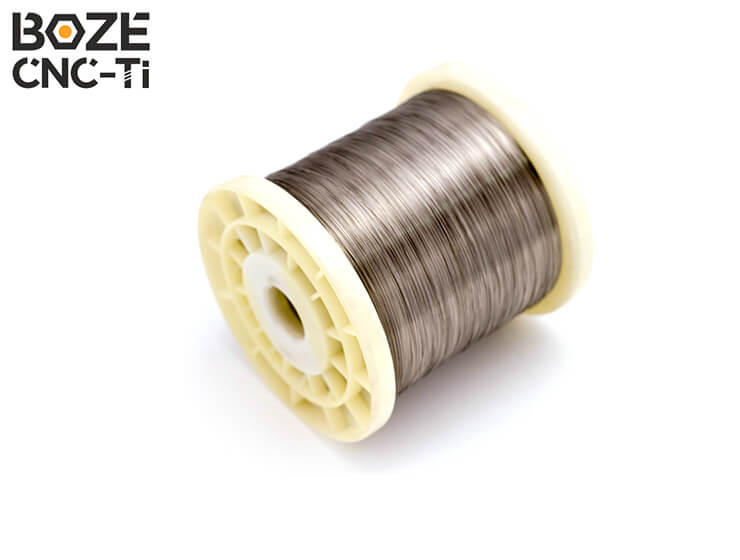
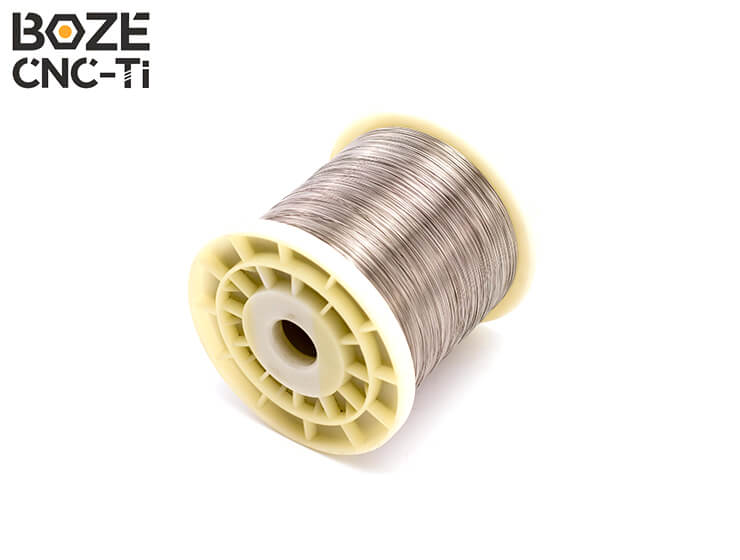
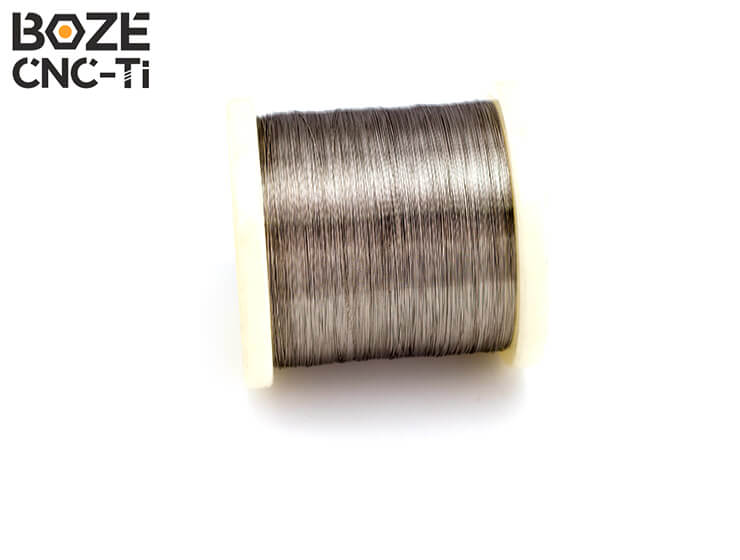
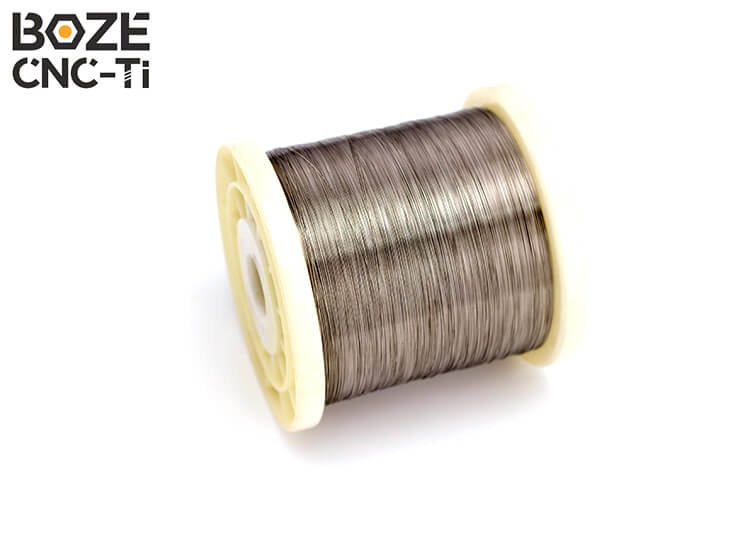
Nickel titanium wire, also known as "memory metal" due to its excellent adaptability, high resilience, and ability to continuously release force, is widely used in the field of oral medicine, especially in orthodontics. It is one of the ideal alloy materials that cannot be replaced in the field of oral orthodontics.
Magical Properties: The "Performance Code" of Nickel-Titanium Alloys
The unique value of nickel-titanium alloy stems from the synergistic effect of its four core characteristics, which set it apart from many metal materials.
The shape memory effect is its most distinctive feature. Under specific temperature conditions, this alloy can precisely "remember" its original form. Even if it undergoes severe deformation under external force, as long as it is heated above the transformation temperature, it will quickly return to its initial shape. For instance, when nickel-titanium alloy wires are prefabricated into specific curves, they can be freely bent and shaped at low temperatures, but immediately rebound and return to their original shape upon heating. This characteristic offers unlimited possibilities for precise structural design.
Superelasticity endows it with extremely strong anti-deformation ability. Within the elastic range, it can withstand deformation far exceeding that of ordinary metals without causing permanent damage. The spectacle frames made of nickel-titanium alloy can remain in perfect condition even when twisted at exaggerated angles and then loosened, which is a vivid demonstration of this feature.
The excellent biocompatibility of nickel-titanium alloy makes it an ideal choice for human implant materials. Its interaction with human tissues is extremely small, and it will not cause obvious immune responses or toxic reactions, providing a fundamental guarantee for the safety of medical implant devices.
Its excellent corrosion resistance enables it to maintain stable performance in harsh environments such as chemical erosion and extreme temperatures. Whether it is the complex environment of human body fluids or the harsh working conditions in the aerospace field, it can maintain the integrity of its structure and performance.
Product name | Nitinol Wire for Medical |
Material | Nickel Titanium Alloy |
Standard | ASTM F67 |
Process | Hot rolling, Cold rolling |
Size | Dia.(0.2-1.5)mm×L/Coil/Spool |
Surface | Polished and acid |
Shape | In straight/spool/coil |
Usage | Dental |
Diversified Penetration: The "Material Foundation" Empowering Thousands of Industries
The characteristic advantages of nickel-titanium alloys are being deeply applied in multiple key fields, becoming an invisible engine for industrial upgrading.
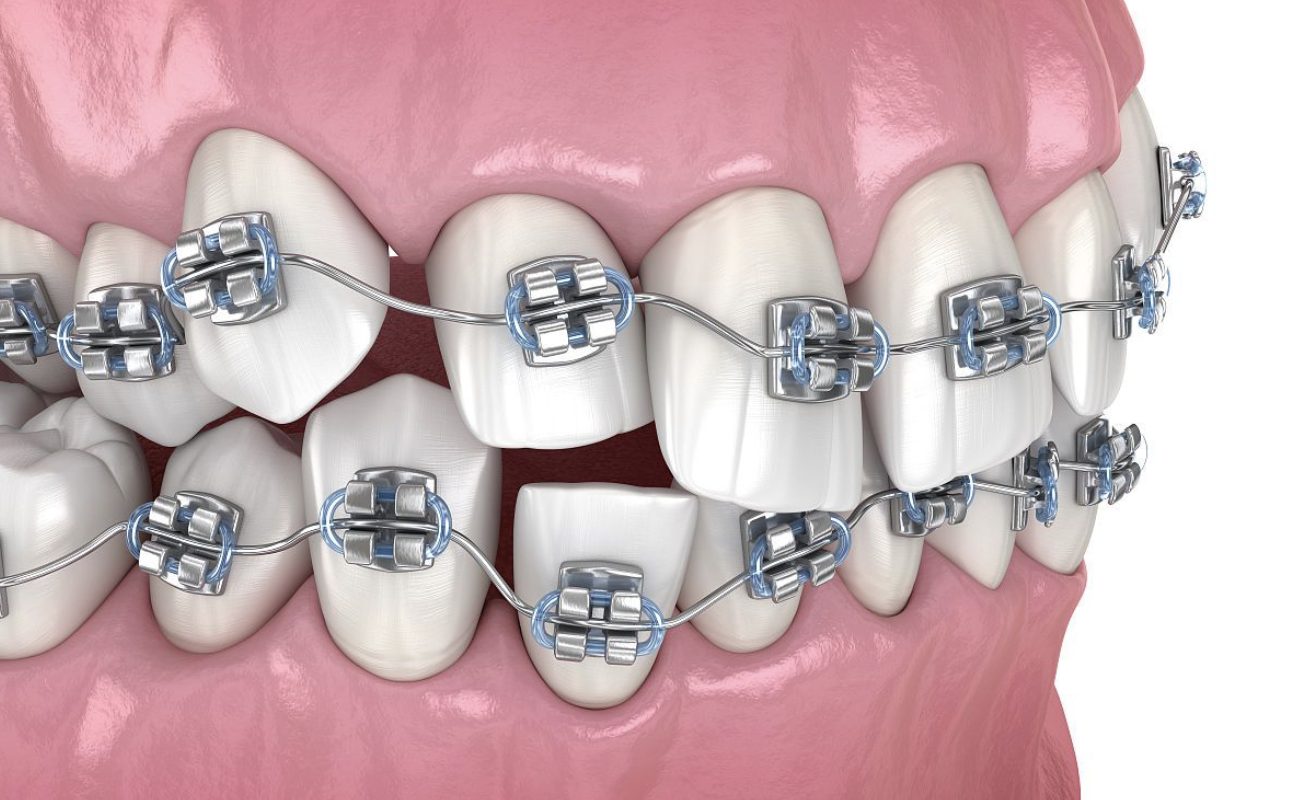
In the field of medical and health care, nickel-titanium alloys have become the "core material" for high-end medical devices. Vascular stents take advantage of the shape memory effect to maintain a contracted state during catheter delivery. Once they reach the lesion site, they rapidly expand and support the blood vessel through body temperature heating. At the same time, their superelastic properties form a flexible bond with the blood vessel wall, reducing the risk of thrombosis. Orthodontic wires, with their continuous and stable elastic force, gradually guide the alignment of teeth in the oral environment, offering both comfort and orthodontic effects. In addition, the manufacturing of high-end implants such as artificial joints and minimally invasive surgical instruments is increasingly dependent on the biocompatibility and mechanical properties of nickel-titanium alloys. Currently, the medical field accounts for more than 35% of the total demand for nickel-titanium alloys in China.
In the aerospace field, nickel-titanium alloys have become the "solution" for lightweight and high reliability. The precision components of aero engines, the folding mechanism of aircraft wings and other key parts have achieved compact design by taking advantage of their shape memory characteristics, which not only reduces structural weight but also enhances operational reliability. In extreme temperature difference environments, the stable performance of nickel-titanium alloys can better ensure the normal operation of spacecraft components and provide material support for space missions.
In the electronics and consumer sectors, nickel-titanium alloys are reshaping product experiences. The nickel-titanium alloy components in micro relays achieve rapid switching control by virtue of the shape memory effect, with response speed and reliability far exceeding those of traditional components. After the mobile phone antenna adopts nickel-titanium alloy, it not only ensures the quality of signal transmission but also enhances the device's shock resistance. High-end watch straps, by virtue of their corrosion resistance and flexibility, extend the product's service life.
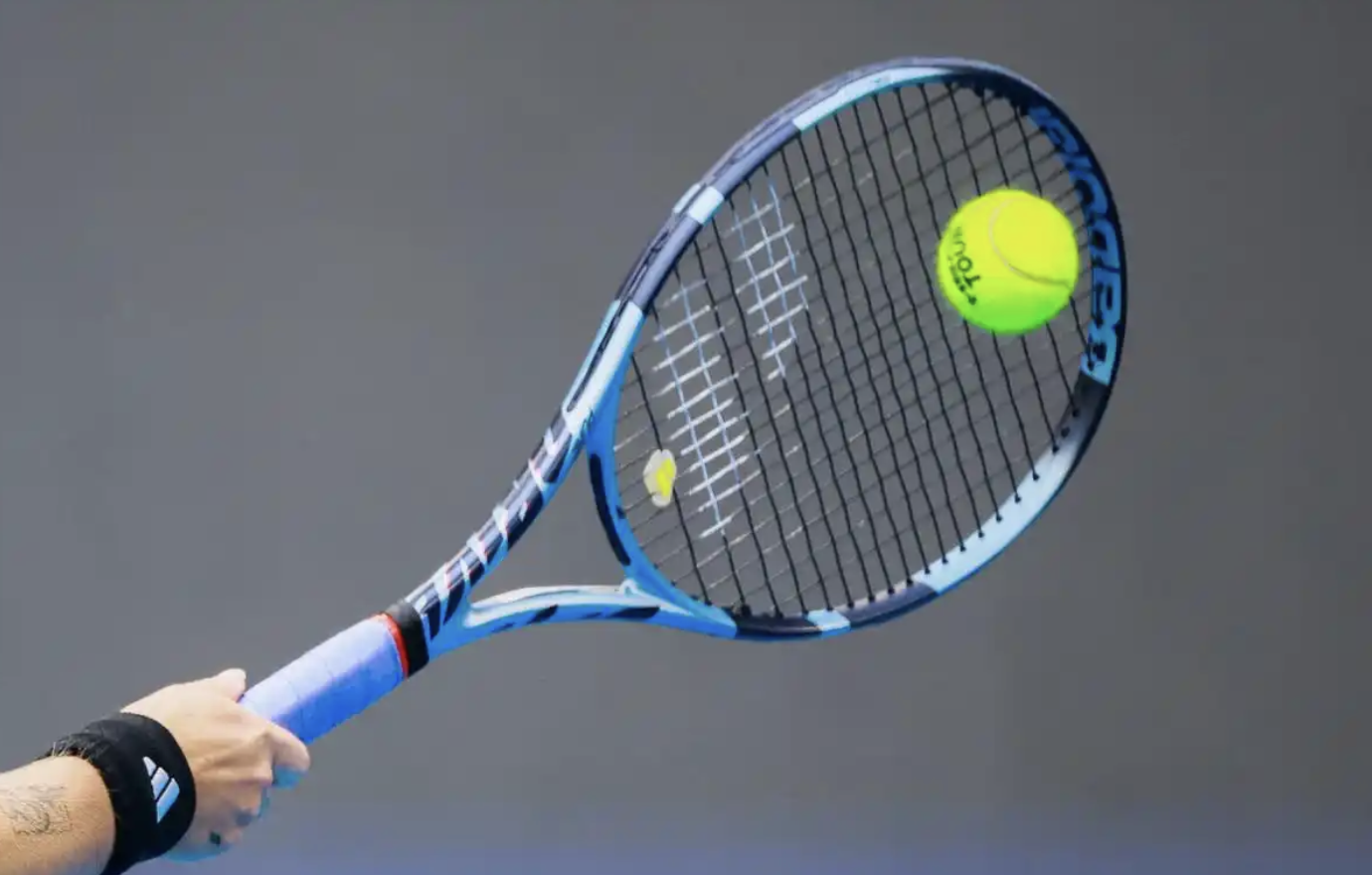
Nickel-titanium alloy wire used on tennis rackets can effectively enhance the force of the hit and increase the flight speed of the ball, making it suitable for players who pursue offensive efficiency.