The Core Component for Next-Generation Green Hydrogen Production
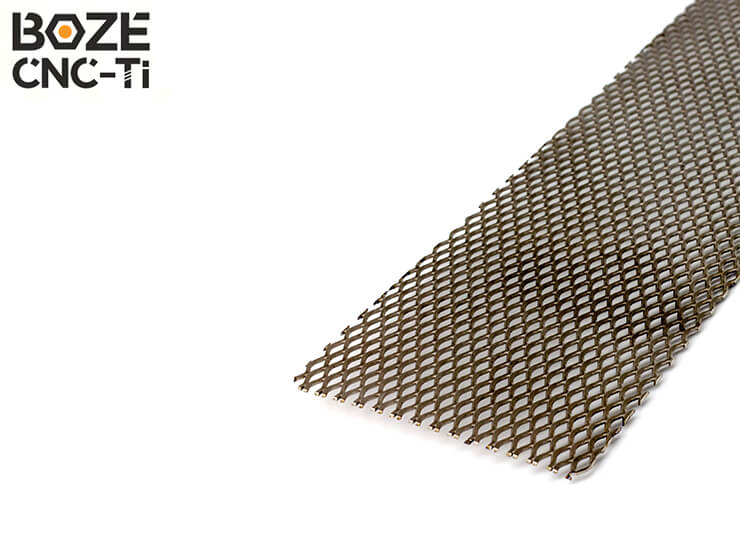
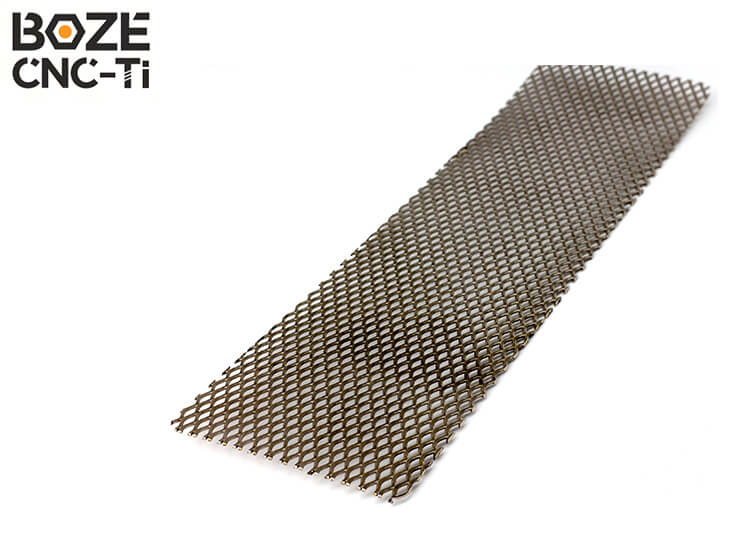
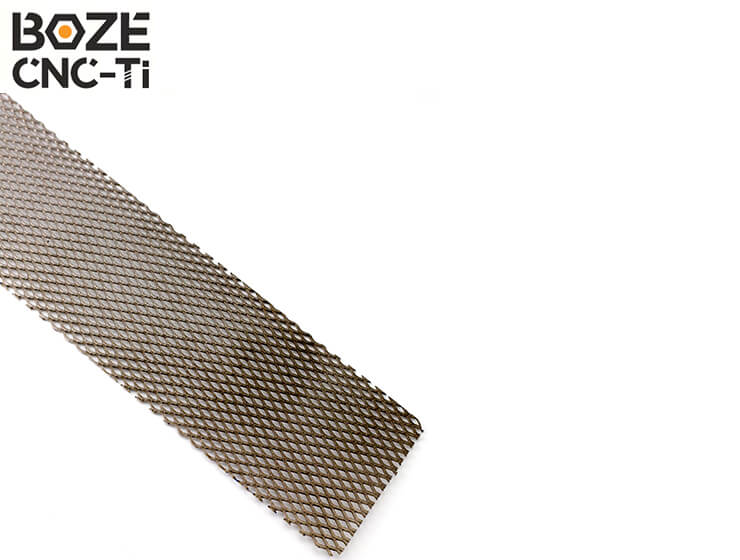
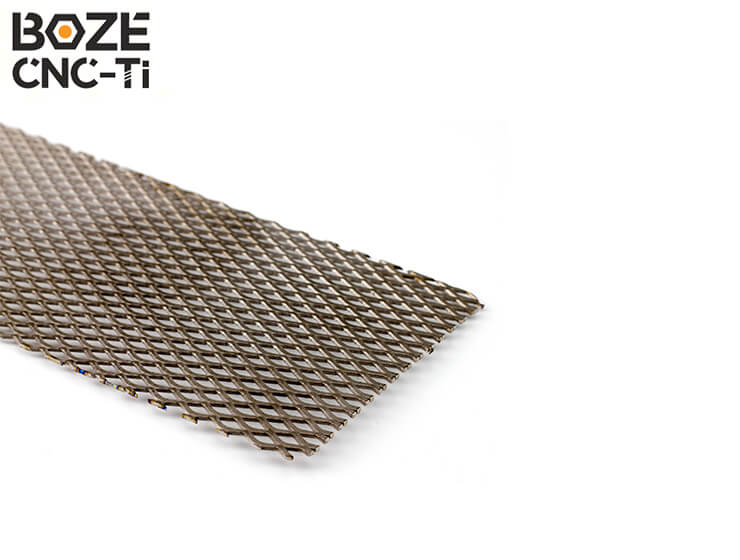
In the harsh, acidic, and high-potential environment of a PEM electrolyzer, material durability is non-negotiable. Our Platinum-Coated Titanium Mesh and Expanded Titanium Foils are specifically engineered to optimize gas-liquid distribution and ensure long-term stack stability.
Technical Edge in Hydrogen Applications
1. Exceptional Electrochemical Stability: Unlike stainless steel, titanium withstands the highly corrosive oxygen evolution reaction (OER) environment at the anode.
2. Low Interfacial Contact Resistance (ICR): Our mesh can be supplied with Platinum (Pt) or Irridium (Ir) coatings to drastically reduce ICR and boost energy efficiency.
3. Precision Porosity: Uniform pore structures ensure efficient removal of oxygen bubbles and optimal water supply to the catalyst layer.
4. High Compression Resistance: Maintains structural integrity under the high clamping pressures required for PEM stack assembly.
Specifications for Hydrogen Energy
| Parameter | Recommended Specification |
| Material Grade | Gr1 / Gr2 (Low Carbon for maximum conductivity) |
| Type | Expanded Metal, Woven Wire, or Sintered Fiber |
| Thickness | 0.25mm – 1.0mm (Customizable) |
| Surface Treatment | Bare, Platinum Plated (0.5-2.5μm), or Ru-Ir Coated |
| Aperture (LWD/SWD) | Micro-mesh (e.g., 1.0 x 2.0mm) for optimal diffusion |
Note: Custom alloy compositions are available upon request to meet specific ASTM or ISO standards.
Why Our Titanium Mesh for Your Stack?
1. Uniform Current Distribution: Precision-flattened surfaces ensure consistent contact with the Membrane Electrode Assembly (MEA).
2. Extended Stack Lifespan: Our high-purity titanium prevents metal ion leaching that could otherwise poison the proton exchange membrane.
3. Scalable Solutions: From R&D lab-scale samples to MW-scale industrial supply.
Technical specifications: Platinum-coated titanium mesh (for PEM electrolytic cell)
| Technical Parameters | Specifications | Benefits |
| Base Material | High purity titanium GR1 / GR2 | Ensure excellent corrosion resistance and machinability |
| Coating Material | Platinum (Pt) | Reduce interface contact resistance (ICR) and improve electrical conductivity |
| Pt Purity | ≥ 99.99% | Ensure chemical stability and prolong the service life of electrolytic cell |
| Coating Thickness | 0.25 μm - 2.5 μm | Balance performance and cost to meet the needs of different working conditions |
| Conductivity | The ICR was reduced to < 10 mΩ·cm² | Significantly reduce energy consumption and improve hydrogen production efficiency |
| Mesh Pattern | Diamond stretch mesh (Expanded)/square hole braided mesh | Optimize gas-liquid two-phase flow distribution |
| Aperture Size | 0.5 x 1.0mm 至 1.5 x 3.0mm | Ensure rapid oxygen discharge and efficient water supply |
| Flatness | < 0.1mm deviation | Ensure a perfect fit to the membrane electrode (MEA) to prevent hot spot generation |
FAQ:
Q1: Why must platinum coating be used in PEM electrolyzer?
A: In the anode acidic and high potential environment, the uncoated titanium surface will form a passivation film (insulation layer), resulting in a sharp increase in resistance. Platinum coating can not only maintain high conductivity, but also effectively prevent further oxidation of titanium substrate, which is the core to ensure long-term efficient operation of electrolytic cells.
Q2: Do you offer customized cutting?
A: Yes. We have precision laser cutting equipment, can be customized according to your electrolytic cell bipolar plate or frame size, tolerance control within ±0.1mm.